September 28, 2026
Wisdom Teeth Removal Oxnard CA: Myths and Facts
By @archerdgay986
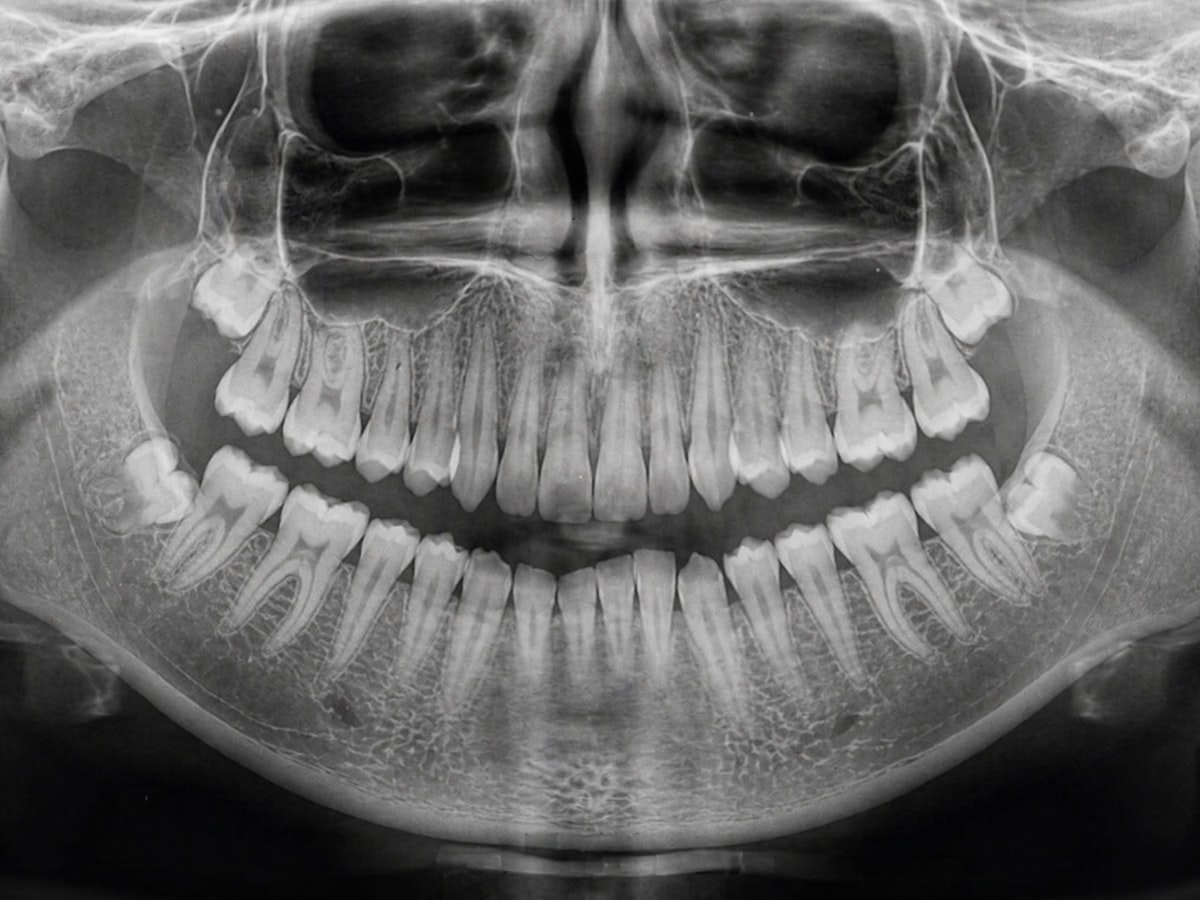
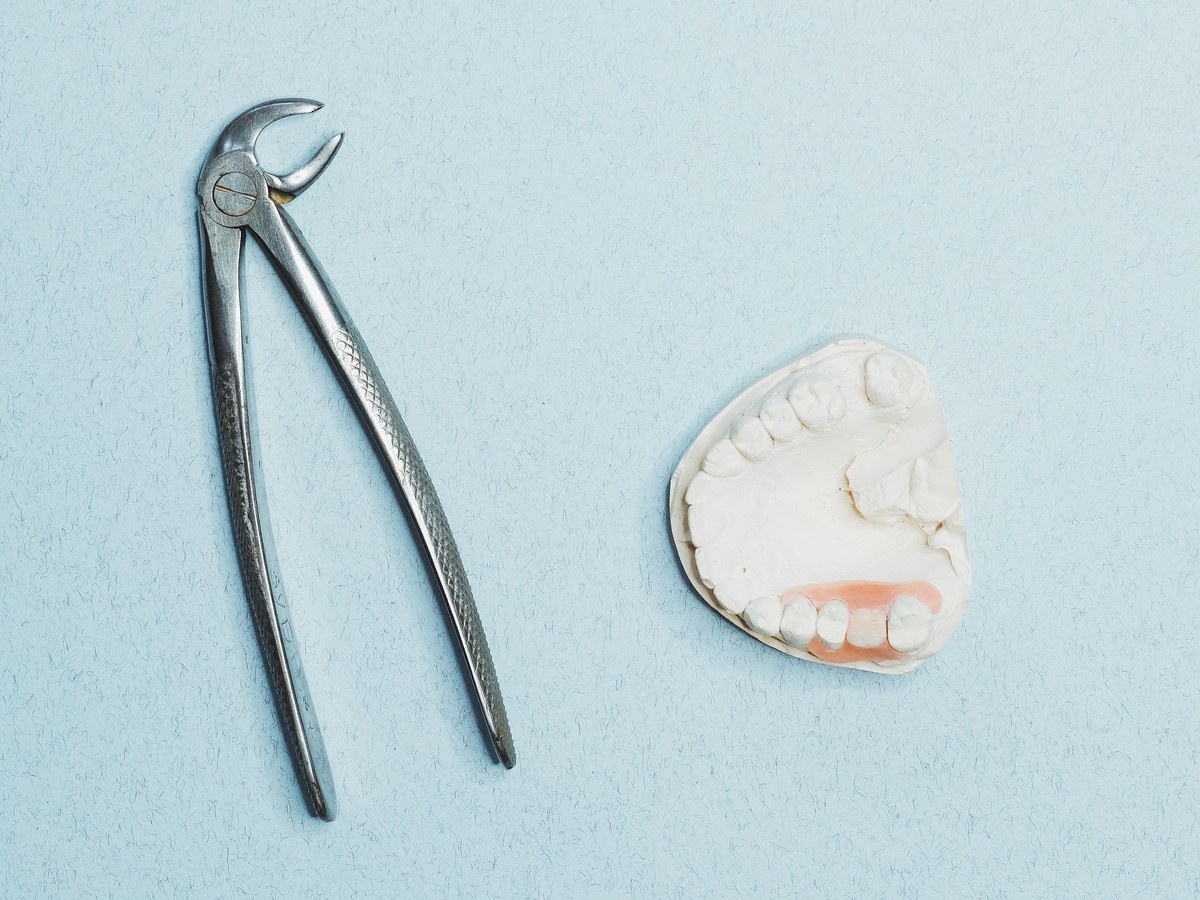
If you spend enough time talking with patients about wisdom teeth, you hear the same stories again and again. A cousin says removal is always terrible. A friend insists everyone has to get all four out. Someone online swears recovery takes weeks and leaves people bedridden. Then there is the opposite problem, people who assume wisdom teeth are no big deal and can be ignored until pain forces an emergency visit.
The truth sits somewhere in the middle. Wisdom teeth removal is common, but it is still a real surgical procedure. Some cases are straightforward. Others take more planning because of the tooth position, the patient’s age, or how close the roots sit to a nerve or sinus. Good decisions come from clear information, not folklore.
For people searching for Wisdom Teeth Removal Oxnard CA, it helps to separate myth from fact before making treatment choices. Local patients often ask practical questions, not abstract ones. Do wisdom teeth always need to come out? Is it better to remove them before they hurt? Will I be awake? How bad is recovery if you have work or school the next day? Those are the questions that actually matter.
Why wisdom teeth cause so much confusion
Wisdom teeth are the third molars, usually the last adult teeth to develop and erupt. They often appear in the late teens or early twenties, though timing varies. Some come in normally and function like any other molar. Many do not. They can stay trapped under the gums, emerge only partway, lean into neighboring teeth, or create hard-to-clean pockets that trap food and bacteria.
Part of the confusion comes from the fact that two people can have very different experiences. One person may live their whole life with wisdom teeth and never notice them. Another may develop swelling, infection, decay on the second molar, or pressure that makes chewing miserable. Both experiences are real. The mistake is assuming one story applies to everyone.
Another source of confusion is timing. Wisdom teeth can look harmless for years and then cause trouble fast. A partially erupted tooth may be quiet for months, then suddenly flare up with inflamed gum tissue around it. That condition, often called pericoronitis, can make it painful to bite, swallow, or even open the mouth fully. Patients are often surprised because the area “never bothered them before.” In dental practice, that is common.
Myth: everyone needs their wisdom teeth removed
This is probably the most widespread myth, and it is not accurate.
Some wisdom teeth can stay if they are healthy, fully erupted, easy to clean, positioned well, and not damaging adjacent teeth or gums. Dentists and oral surgeons usually look at several factors before recommending removal. The conversation should include symptoms, X-rays, gum health, cavity risk, and whether the teeth are likely to cause trouble later.
That said, many wisdom teeth do end up needing removal because the back of the mouth simply does not have enough room. When a tooth is angled forward into the second molar, trapped below the gum, or only partially erupted, the chances of future problems go up. In those cases, waiting can turn a manageable surgical visit into a painful urgent problem.
What patients often miss is that “not hurting today” does not always mean “healthy.” Wisdom teeth can contribute to hidden decay or bone loss on the tooth in front of them, especially when food and bacteria collect in hard-to-reach spaces. Those issues may not be visible without an exam and imaging.
Fact: many removals are recommended to prevent bigger problems later
Preventive removal can make sense, particularly when imaging shows the wisdom teeth are unlikely to erupt normally or are already threatening nearby teeth. There is a practical reason for this. Younger patients often heal faster, and the roots may be less fully developed than they would be years later. Bone also tends to be less dense in younger adults, which can make surgery and recovery somewhat easier in many cases.
That does not mean every teen should automatically have wisdom teeth removed on a schedule. It means the decision should be individualized. If the teeth are impacted in a way that strongly predicts future problems, early removal may be the more conservative choice long term. Leaving a problematic tooth alone is not always the less invasive option if it later leads to infection, damage to a second molar, or a more difficult extraction in the late twenties or thirties.
In the context of Wisdom Teeth Removal Oxnard CA, many families are making decisions around school breaks, sports seasons, and college schedules. That timing matters. It is easier to plan a procedure when the mouth is calm than when the patient is swollen and in pain before a holiday weekend.
Myth: if there is no pain, there is no problem
Dentistry teaches this lesson repeatedly. Pain is not the only sign of disease.
A wisdom tooth can be impacted and pressing against the neighboring molar without causing obvious pain. It can create a pocket where bacteria collect and cause decay on the back surface of the second molar. Cysts can form around impacted teeth, though not every impacted tooth develops one. Gum inflammation can simmer for a long time before the patient notices anything more than occasional soreness.
This is why evaluation matters. A clinical exam and appropriate imaging provide information pain alone cannot. Many patients who feel fine are surprised when they see the X-ray and understand why a surgeon is concerned. On the other hand, some patients who are worried after hearing scary stories learn that their wisdom teeth are stable and can simply be monitored.
Myth: wisdom teeth cause crowding in the front teeth
This belief has been around for years, and it has been repeated so often that many people treat it like settled fact. The reality is more nuanced.
Front teeth can shift over time for several reasons, including natural age-related changes, bite forces, and the way the arches develop. Wisdom teeth may contribute to pressure in the back of the mouth, but they are not considered the sole or primary cause of lower front crowding in most cases. Removing wisdom teeth is not a guaranteed way to preserve perfect alignment.
Patients who had braces are especially sensitive to this issue. They often worry that keeping wisdom teeth means “wasting” orthodontic treatment. A more honest conversation is that retainers, natural dental changes over time, and the original crowding pattern all matter. Wisdom teeth are one piece of the picture, not the whole picture.
Fact: impacted teeth are often the real concern
When oral surgeons discuss difficult wisdom teeth, the word that comes up most is impacted. An impacted tooth does not fully erupt into a normal, functional position. It may be trapped in bone, covered by gum tissue, tilted sideways, or only partially visible.
Impaction matters because it changes both risk and treatment. A partially impacted lower wisdom tooth, for example, can create a flap of gum tissue that traps bacteria. Patients describe a bad taste, swelling, tenderness, or pain when chewing on that side. Food packs into the area, cleaning is frustrating, and the symptoms tend to come and go. That pattern is a classic setup for repeat infections.
Fully impacted teeth can be quiet for years, but they still require monitoring. Whether they should be removed depends on their position, the patient’s age, the condition of neighboring teeth, and what the X-rays show. A surgeon is looking for real pathology or a strong likelihood of future harm, not just the fact that the teeth exist.
What the consultation usually covers
A proper consultation https://6920812394030.gumroad.com/p/why-wisdom-teeth-removal-in-oxnard-ca-is-often-preventive-64b097fd-48fa-4a1d-a6f1-9e21a908028e should feel less like a sales pitch and more like a decision-making visit. You should leave understanding not just what is being recommended, but why.
Most consultations for wisdom teeth involve a review of symptoms, medical history, medications, and imaging. The clinician checks the gums, the way the teeth are erupting, and whether there is visible infection or decay. Imaging helps evaluate root shape, depth of impaction, and the relationship of the teeth to nearby structures. For upper wisdom teeth, that includes the sinus area. For lower wisdom teeth, the course of the inferior alveolar nerve is especially important.
Patients sometimes expect a one-size-fits-all answer and are surprised when the recommendation depends on details. A 17-year-old with developing roots and limited room is not the same as a 38-year-old with symptom-free, deeply impacted teeth discovered incidentally. The decision can be different, and both decisions can be appropriate.
Myth: removal is always extremely painful
People often borrow their expectations from dramatic stories. Someone remembers swollen cheeks, a soft-food diet, and a miserable weekend, so they assume that is universal. Recovery can be uncomfortable, but “always unbearable” is not a fair description.
Most patients experience soreness, swelling, and some limited mouth opening for a few days. The first 48 to 72 hours are often the most noticeable. Pain control depends on the complexity of the extraction, the patient’s pain tolerance, and how closely aftercare instructions are followed. Simple extractions tend to feel different from the removal of deeply impacted lower molars that require more surgical access.
In practice, many people do better than they expected. They rest, use cold packs early, stay hydrated, and keep up with the prescribed or recommended pain regimen. By the third or fourth day, a lot of patients can tell the hardest part is passing. That does not mean recovery is effortless. It means the internet often magnifies the worst-case stories.
Fact: the experience depends heavily on the case and the aftercare
Not all wisdom teeth removals are alike. A fully erupted upper wisdom tooth that comes out quickly is a different surgical experience from a lower tooth lying sideways in bone. Surgical time, swelling, and post-operative discomfort often reflect that difference.
Age also matters. Healing is often more predictable in younger patients, and the roots may be less complicated. Smoking, certain medical conditions, poor sleep, and returning to strenuous activity too soon can make recovery rougher. Even simple dehydration can leave people feeling worse than necessary.
Aftercare is one of the few parts patients can control directly. These basics matter most:
- Rest the first day and avoid strenuous activity right away.
- Use cold packs early to help limit swelling.
- Take medications exactly as directed or recommended.
- Eat soft foods and drink plenty of fluids without using a straw if your surgeon advises against it.
- Keep the mouth clean as instructed, especially after the first day.
Those are simple steps, but they make a real difference. Patients who skip meals, fall behind on pain control, or push themselves too quickly often have a harder time.
Myth: being awake means you will feel everything
This fear keeps some people from scheduling treatment they clearly need. The reality is that anesthesia and sedation options vary, and the right choice depends on the case, the patient’s medical history, and comfort level.
Some wisdom teeth can be removed with local anesthesia alone, meaning the area is numb but the patient is awake. Others are managed with sedation in addition to local anesthesia. The phrase “being awake” can also be misleading. Patients under certain levels of sedation may be deeply relaxed and remember very little, even if they are not under full general anesthesia.
The important point is that numbness and pain are not the same thing. You may feel pressure during some procedures, but that does not mean you should feel sharp pain. If patients understand what the planned anesthesia will and will not do, anxiety usually drops. The best consultations explain this clearly instead of using vague terms.
Fact: dry socket is real, but not everyone gets it
Dry socket is one of the complications patients fear most, and with good reason. When it happens, it can be quite painful. But it is not inevitable.
Dry socket is more commonly associated with lower extractions and typically develops when the blood clot at the extraction site is lost or breaks down too early. Risk varies based on factors like smoking, forceful rinsing, oral contraceptive use, surgical difficulty, and not following post-operative instructions. It does not happen to most patients, but it happens often enough that surgeons take prevention seriously.
What matters is both prevention and early recognition. If pain improves a bit and then becomes significantly worse several days later, especially if it radiates or feels different from ordinary soreness, it is worth contacting the office. Patients should not assume they just need to “tough it out.” Dry socket can usually be managed, and people feel better sooner when they speak up early.
A few myths worth retiring for good
Some misconceptions are so persistent that it helps to state them plainly.
- Removing wisdom teeth does not automatically ruin your week, though you should plan for downtime.
- Keeping wisdom teeth is not always the natural or safer choice if they are harming nearby teeth.
- Recovery is not identical for every patient, even among siblings.
- A consultation is not a commitment to surgery, it is how you find out whether surgery actually makes sense.
- “I can chew on that side, so it must be fine” is not a reliable test of dental health.
These points may sound basic, but they save people from two common mistakes: delaying necessary care and rushing into unnecessary care.
What recovery really looks like day by day
Patients usually want specifics, and that is fair. General advice is helpful, but real-life expectations matter more.
The day of surgery is often dominated by numbness, fatigue, gauze changes if instructed, and a strong desire to lie low. Most people are not up for errands, work meetings, or social plans. By the next day, swelling often becomes more noticeable. That can be discouraging if someone expected to wake up looking normal. In many cases, the second or third day is the peak of visible swelling and stiffness.
Eating also requires some realism. The mouth may not open widely, especially after lower impacted teeth are removed. Soft foods are usually the practical choice, not because patients are fragile, but because chewing aggressively too early is uncomfortable and unnecessary. Yogurt, eggs, soups that are not scalding hot, smoothies eaten without a straw if advised, oatmeal, mashed potatoes, and soft pasta are common choices.
By the fourth or fifth day, many patients start to feel more like themselves, though that varies. Some can return to work earlier if their jobs are sedentary. Others need longer, particularly after more complex surgery. Bruising, if it occurs, can linger beyond the point where pain is a major issue. That surprises people, but it is usually just part of the normal healing spectrum.
When waiting is reasonable, and when it is not
There are times when monitoring is sensible. An asymptomatic wisdom tooth with a favorable position and no signs of damage may simply need periodic review. That is especially true if surgery carries special medical considerations or if the imaging does not show clear pathology.
Waiting becomes less reasonable when a patient has repeat infections, persistent gum swelling, decay, damage to the neighboring molar, food trapping that cannot be managed, or pain linked to the wisdom tooth. Waiting can also be hard to defend when imaging shows a poor eruption path that is already creating harm.
This is where judgment matters. Good dentistry rarely lives in absolutes. A clinician should be able to explain both the upside and the downside of removing the teeth now versus observing them. If that conversation feels rushed or simplistic, patients are right to ask more questions.
Choosing the right setting for Wisdom Teeth Removal Oxnard CA
Local care matters because surgery does not end when the tooth comes out. Patients want clear instructions, a reachable office, and a team that can handle questions about swelling, medication, or healing concerns after the procedure. That is one reason people looking for Wisdom Teeth Removal Oxnard CA often prefer a provider with a strong consultation process, dependable follow-up, and experience with both straightforward and complex extractions.
The quality of communication often tells you a lot. Are risks explained in plain language? Does the team review anesthesia options carefully? Do they give realistic recovery expectations instead of trying to “sell” an easy experience? Those details matter. Patients usually remember how well prepared they felt, not just how fast the appointment moved.
For teenagers and college students, there is another practical factor: scheduling around school and transportation. Since many patients should not drive immediately after sedation, planning ahead is not optional. Families who organize meals, rides, and a quiet recovery day tend to have smoother experiences than those who try to wedge surgery into an already chaotic schedule.
The practical bottom line
Wisdom teeth removal is neither the horror show some people describe nor the trivial event others dismiss. It is a common procedure with real reasons behind it, real benefits in the right cases, and real recovery demands that should be respected. The smartest approach is not fear, and it is not denial. It is an informed evaluation based on symptoms, imaging, anatomy, and timing.
If you are weighing Wisdom Teeth Removal Oxnard CA, the best next step is not to collect more dramatic stories from friends. It is to get a clear clinical opinion about your own mouth. Wisdom teeth are highly individual. Once patients understand their specific risks and options, the decision usually becomes much less mysterious.
Oxnard Dentistry
1730 E Gonzales Rd
Oxnard, CA 93036, United States
Phone: +1 805-307-8731
FAQ About Wisdom Teeth Removal Oxnard CA
How much does it cost to get wisdom teeth removed in California?
Fees depend on tooth position, the number of extractions, imaging and anesthesia. Oxnard Dentistry can provide an individual estimate after examining your teeth. Ask for an itemized plan and confirm insurance benefits before scheduling.
Will insurance cover wisdom teeth removal?
Coverage and out-of-pocket costs vary by policy and the treatment required. Ask the dental office and your insurer to verify benefits, annual limits and any authorization requirements. A benefit estimate does not guarantee payment.
Is 30 too old to have wisdom teeth removed?
Age alone does not determine whether extraction is appropriate. A dentist evaluates symptoms, tooth position, oral health and medical history. Healthy, functional wisdom teeth may be monitored; teeth causing disease or other problems may need treatment.
❧